
Planning
Investment
What Makes Oxfordshire a Hotbed for Property Investment?

Will Mallard
Growth, Demographics & Demand
Why Oxfordshire is Booming — And Why That Matters for Investors
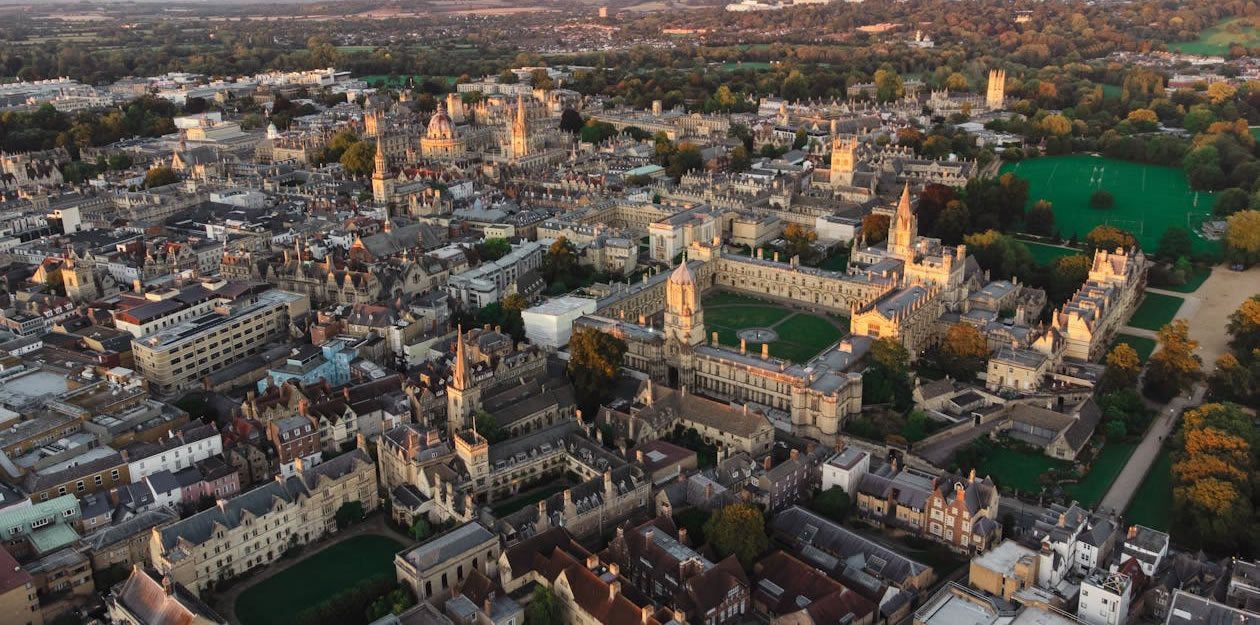
Walk through central Oxford on a weekday afternoon and you’ll see the future in motion: students cycling between lectures, lab researchers grabbing a sandwich, tourists admiring the architecture, and young professionals heading home to suburbs just beyond the spires.
All of them — whether they live in the city or nearby villages — need somewhere to live. That’s where the property story begins.
Let’s break it down.
1. Oxfordshire is Growing — Fast
Why this matters: More people = more demand = more pressure on housing = more potential upside for developers and investors.
Over the last decade, Oxfordshire’s population has risen by more than 70,000 people — a 10.9% increase. And it's not slowing down. The county is projected to hit over 831,000 people by 2031. That’s like adding the entire population of a town the size of Reading in less than 10 years.
Certain districts — like Cherwell, Vale of White Horse, and South Oxfordshire — are growing even faster, thanks to a mix of economic opportunity and quality of life.
If you’re investing in bricks and mortar, growth like this is gold dust.
2. The Right Kind of Growth
Not just more people — the right kind of people for property investment.
74% of Oxford’s population is working age (15–64), compared to ~65% nationally.
Oxford has 34,945 full-time students — that’s 1 in 5 residents.
Migration is strong, especially from London and the South East. People want the space, schools, and safety Oxfordshire offers.
Why this matters
This creates layered demand:
- Student lets and HMOs
- Young professional rental
- First-time buyers and starter homes
- Downsizing for retirees
As an investor or developer, this allows you to target different products in different price bands — and reposition assets to meet the most pressing needs.
Think of it like a Swiss Army knife: the right location in Oxfordshire can give you multiple tools in one property.
3. The Oxford Effect: Jobs, Universities & Opportunity
Oxford is more than a postcard city. It’s an economic engine.
World-class universities. Science parks. AI startups. Research labs. Hospitals. It’s no wonder Oxford ranks among the UK’s top cities for knowledge-based employment.
People move here because of opportunity. And once here, they stay — which keeps pressure on housing.
For investors, this means:
- Long-term stability — economic anchors like universities aren’t going anywhere.
Rental resilience — tenants are drawn from education, healthcare, research, and professional services. - Development potential — local councils know they need to grow, even if planning policy takes time to catch up.
4. Not Enough Homes (Yet)
Now, let’s talk supply.
Oxford and surrounding districts consistently under-deliver on housing targets. Whether it’s due to green belt restrictions, planning bottlenecks or local politics, the supply/demand imbalance is real — and persistent.
Oxford needs thousands more homes each year than it’s currently building.
That means every well-executed project helps close the gap and benefits from pricing pressure.
Why this matters for investors:
- Less supply = more scarcity
- More scarcity = higher rents and sale values
- Higher values = stronger exits and better returns
And because the growth is steady, the demand isn’t speculative — it’s structural.
5. The Demographic Mix You Want
Investing in housing isn’t just about numbers — it’s about people.
Oxfordshire gives you a unique mix:
Young renters and students (high occupancy, reliable income streams)
Professional families (seeking space, schools, stability)
Older homeowners looking to downsize (freeing up housing chains and creating demand for smaller units)
Ethnically diverse and international residents, especially in Oxford city, creating vibrant neighbourhoods and layered housing demand
This is a place where one-bedroom flats, four-bedroom townhouses, and smartly converted garden studios all have a market.
As developers at OLD-Homes, we see this first-hand. We focus on the underserved — the gap between what national housebuilders provide and what real people need.
6. Plain English: Why This Works as an Investment
Let’s simplify it:
Imagine you’re building a rental house in a village near Oxford. You know that 500 people moved into the area last year, but only 200 new homes were built. That leaves 100+ people looking for somewhere to live.
If your project is well-designed and well-located, it doesn’t just compete — it fills a real need.
And that means:
- Your property rents quicker
- You can achieve better yields
- You get a higher valuation when holding
- Your exit value is supported by underlying demand
That’s the investment case for Oxfordshire — and it’s not built on hype, it’s built on housing need.
At OLD-Homes, we specialise in uncovering and unlocking value in exactly these kinds of opportunities: overlooked sites, infill plots, planning gain plays, and smart refurbishments.
If you’re interested in exploring live projects or seeing how we model risk and return, sign up for our investor brief and then book a no-pressure call.
Next in the Series: Planning, Land Supply & the Green Belt Squeeze — where we dive into how supply constraints drive opportunity, and how developers like us navigate the planning maze.
Stay tuned.